Let’s get Plantin’
-
• 10/6/26
How to Successfully Propagate Plants Without Losing Your Damn Mind
There is something deeply satisfying about propagating a plant.
You take a piece of something you already love, give it the right conditions, and suddenly you’re watching a tiny new plant figure out how to become a whole new plant.
It’s basically plant-parent magic.
It is also occasionally plant-parent psychological warfare.
Because propagation comes with questions.
Is that a root or mold?
Is this cutting too wet?
Why hasn't anything happened in three weeks?
How often am I supposed to water this thing?
Did I just rot my $75 cutting?
Why does everyone else's propagation look like a tiny botanical laboratory while mine looks like I abandoned it in a cup?
And honestly?
Propagation is not about finding one magical method that works for every plant.
It’s about understanding what your particular cutting, corm, node, leaf, or stem needs, and choosing a setup that lets you manage those needs successfully.
For me, my favorite propagation method is water.
Not because water is automatically the "best" method, but because I can see what the hell is happening.
And that matters.
Especially if you're somebody who tends to either underwater or overwater your propagations.
Which…hello. Me.
My second favorite is using corm cups with corm risers because they give me that same satisfying ability to monitor what’s happening while creating a controlled environment for the corm to grow.
So let's get into it.
First: What Actually Makes a Propagation Successful?
Before we talk about methods, let's talk about what a propagation actually needs.
Most successful propagations come down to a few basic things:
A viable propagation piece
The correct node, growth point, or viable tissue
Appropriate moisture
Adequate light
Warmth
Oxygen
Patience
Notice what I did not say.
I did not say:
"Water it every Tuesday."
Propagation care isn't always that simple.
The environment matters.
The plant matters.
The method matters.
And your ability to actually monitor the propagation matters too.
That last one is seriously underrated.
A propagation method can be technically "good" and still be a terrible method for you if you can't manage the moisture level.
Method #1: Water Propagation
My personal favorite.
Water propagation is probably the easiest place for beginners to start, especially with plants that readily root from stem cuttings.
The biggest reason I love it?
Visibility.
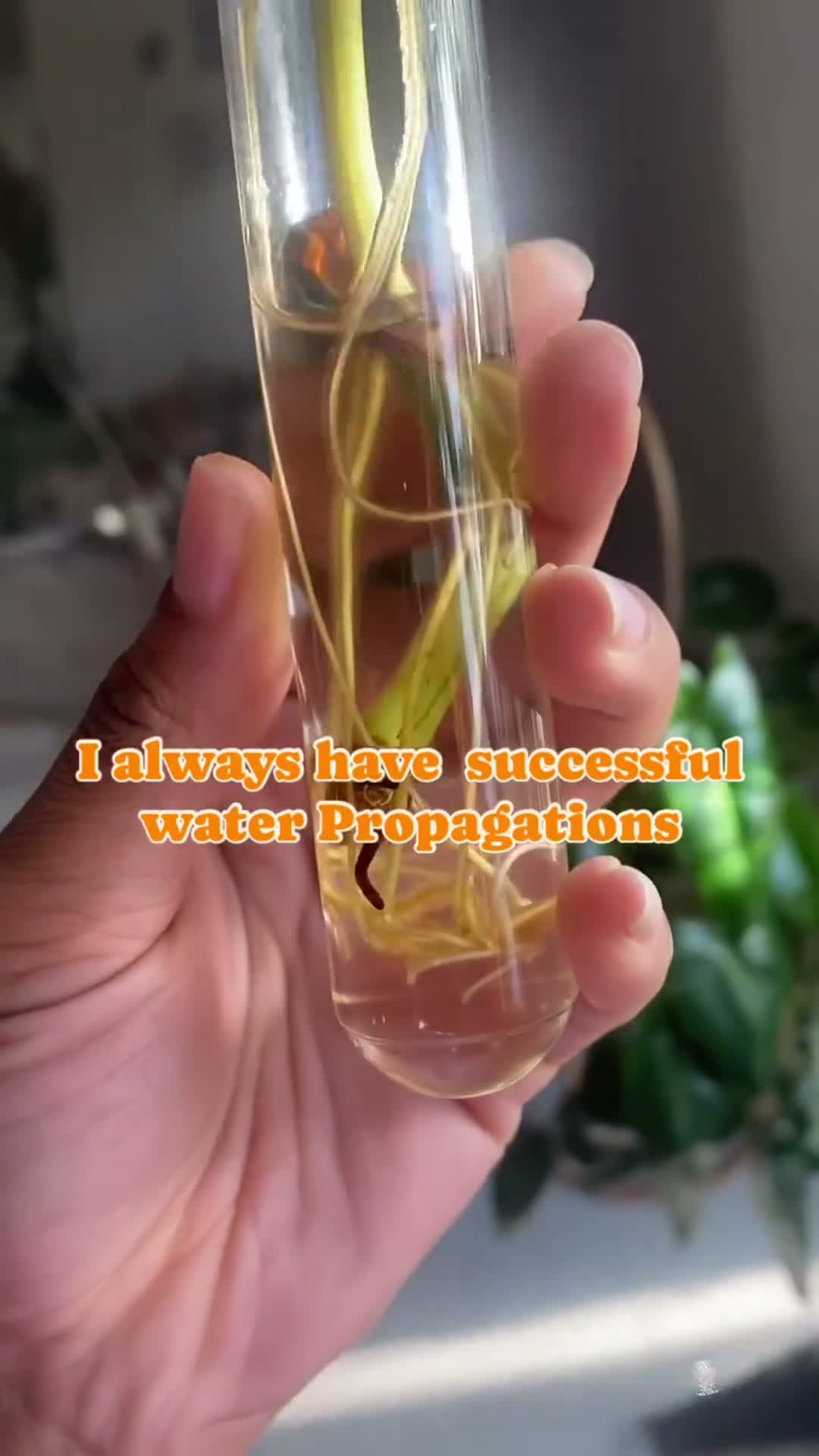
You can literally watch the roots develop.
That means you're not digging through soil every five minutes like:
"Girl...are you doing anything down there?"
You're able to see:
When roots begin forming
How quickly they're growing
Whether roots look healthy
Whether something is beginning to rot
When the cutting may be ready to transition
Whether the water needs changing
And apparently I'm not the only one who enjoys this particular form of plant surveillance. Water propagation is a favorite among plant parents specifically because they can watch the roots develop.
How to water propagate
Start with a healthy cutting that contains a viable node or other appropriate propagation point.
Place the appropriate portion of the cutting into clean water.
You generally want the node submerged, not the entire leaf.
Keep the cutting somewhere warm with appropriate light.
Then monitor it.
That's it.
But here's where people get themselves into trouble:
Don't turn your propagation into an aquarium.
More water does not automatically mean better propagation.
You want enough water to keep the propagation point appropriately hydrated, while avoiding unnecessary submersion of leaves and tissue that should remain above water.
Change or refresh the water when it becomes dirty, stagnant, or otherwise questionable.
And keep an eye on the roots.
If you notice mushy, dark, deteriorating tissue, don't ignore it simply because you see "roots."
Healthy-looking roots should continue developing rather than progressively breaking down.
"But I See White Stuff!"
Welcome to one of the most common propagation freak-outs.
"IS THAT ROOTS OR MOLD?!"
Sometimes new root growth can look strange.
Sometimes fungal growth really is fungal growth.
And sometimes plant people on Reddit are collectively staring at a picture saying:
"Girl...I genuinely don't know." 😂
One useful distinction is texture.
Healthy root development tends to be attached to the plant and progressively develop into recognizable roots. Some new root structures can look fuzzy or unusual in the early stages.
Mold tends to behave more like a coating or growth that can be wiped away or sits on the surface.
When you're unsure, don't immediately panic.
Look at the whole propagation.
Is the cutting firm?
Does the tissue smell rotten?
Is the propagation point mushy?
Are the roots continuing to develop?
Is the questionable material spreading?
Don't diagnose your propagation based on one weird-looking spot.
Method #2: Corm Cups + Corm Risers
Now we're getting into one of my favorites for a completely different reason.
Corms are fun to watch.
And corm cups with risers make it much easier to create a small propagation environment where you can monitor what's happening.
The basic idea is to create a setup where the corm has access to moisture and humidity without simply sitting submerged in water.
That distinction matters.
You don't want to drown the corm just because you're excited about it.
The goal is moisture + airflow + warmth + observation.
And the riser is particularly useful because it allows you to create separation between the corm and the water reservoir.
That makes this method especially appealing if you have a tendency to overwater.
Instead of asking:
"How wet should this be?"
you can build a setup where the moisture is more controlled.
What I love about corm propagation
You can watch the process.
You can see when roots begin forming.
You can monitor the corm.
You can watch for new growth.
And you're not constantly digging the corm out of its substrate to see whether something is happening.
Please don't keep pulling your corm out to check on it.
I know.
I KNOW.
You want to see.
But repeatedly disturbing a developing propagation can work against you.
Build the setup.
Give it the conditions it needs.
Then observe.
Method #3: Sphagnum Moss
Sphagnum moss is another popular propagation medium because it can hold moisture while still allowing some air around developing roots.
This can be particularly useful for propagations that benefit from a humid environment.
The biggest mistake?
Keeping it absolutely drenched.
Moist does not mean swamp.
You want the moss hydrated, but you don't want to create a constantly saturated environment with nowhere for oxygen to move.
This is where clear propagation containers can be helpful.
You can monitor:
Moisture
Root development
Mold
New growth
Condensation
Overall condition
And again, we're coming back to my favorite propagation concept:
Visibility.
Method #4: Perlite or Other Airy Propagation Media
Airy propagation media can provide moisture while giving developing roots access to oxygen.
This can be useful for people who struggle with keeping water propagation clean or who prefer a more structured propagation setup.
The biggest mistake here is assuming:
"It's in an airy medium, so I can water it constantly."
Nope.
You can absolutely still overwater an airy propagation setup.
Your goal is to create an environment that is consistently appropriate, not constantly soaked.
If the propagation is sitting in a container of wet medium with poor airflow, you're still creating conditions where rot and fungal problems can become an issue.
Method #5: Directly Into Soil or Growing Medium
Yes, you can propagate directly into a growing medium.
Some plants and some types of cuttings do perfectly well this way.
The advantage?
You avoid the whole:
"Water roots → soil roots → plant freaks out → everybody cries"
transition.
The disadvantage?
You can't easily see what's happening underneath the surface.
And THAT is where I struggle.
If I can't see what's happening, I have to rely heavily on how the plant looks, how the medium feels, how long it's been since watering, and what the environment is doing.
Which is exactly why I personally prefer methods where I can monitor the roots.
If you are a chronic overwaterer, direct soil propagation can require a little more discipline.
The Biggest Propagation Problems, and What to Do About Them
Problem #1: "My Cutting Is Rotting."
First, stop watering it.
Actually inspect it.
If there is mushy, deteriorating tissue, remove the damaged portion with a clean cutting tool until you reach healthy tissue.
Then reassess your propagation method.
Sometimes the problem isn't that propagation "doesn't work."
It's that the propagation environment is staying too wet for too long.
People frequently turn to water propagation after dealing with root rot, but that doesn't automatically make water the cure-all. If damaged tissue is still present, keeping it continuously wet can continue the problem.
The fix:
Remove the rot.
Start fresh.
Increase appropriate airflow.
Give the propagation appropriate moisture rather than maximum moisture.
And don't be afraid to change methods.
Problem #2: "Nothing Is Happening."
This is probably the propagation problem I see people panic about the most.
Sometimes the answer is:
Nothing is wrong.
Plants are not Amazon Prime.
Your propagation does not owe you two-day delivery.
Some cuttings root quickly.
Others take weeks.
Larger cuttings can take longer because the plant has more tissue to support while simultaneously trying to produce new roots.
One Reddit discussion specifically pointed out that very large cuttings can struggle because the plant is spending energy maintaining a long stem and leaves while also trying to produce roots.
Before you panic, ask:
Does the cutting actually have a viable node?
Is the tissue still firm?
Is the cutting receiving enough appropriate light?
Is it warm enough?
Is the propagation medium staying appropriately moist?
Is there evidence of rot?
Have you disturbed it twelve times this week?
That last question was for me.
Leave it alone.
Problem #3: "My Roots Grew, but Now They're Turning Brown."
Brown does not automatically equal dead.
Look at the texture.
Healthy roots should generally remain firm rather than becoming mushy and collapsing.
If roots are progressively becoming soft, slimy, or deteriorating, investigate for rot.
If they're simply changing color while remaining firm and actively growing, don't immediately start chopping.
Your propagation needs observation—not panic.
Problem #4: "I Have Roots, But I'm Scared to Put It in Soil."
This one is REAL.
You watched those roots grow.
You became emotionally attached.
Now somebody wants you to put the little thing in dirt.
Absolutely not.
😂
But eventually, your water propagation may need to transition into a growing medium.
You don't necessarily need an enormous root system before transitioning.
The important thing is that the developing root system is established enough to support the plant and that you're prepared to manage the transition.
And don't assume that moving a water-rooted propagation into soil means you should keep the soil absolutely soaked.
That's one of the mistakes that can lead to mold and overly wet conditions after transplanting.
Transition gradually and pay attention to the plant.
Problem #5: "My Propagation Keeps Drying Out."
Now we've reached the other side of the problem.
Because some of us aren't overwaterers.
We're:
"Oops, I forgot I was propagating that."
People often focus so much on avoiding rot that they accidentally let their propagation dry out repeatedly.
The answer isn't to swing wildly from:
bone dry → FLOOD IT → bone dry → FLOOD IT
Propagation is about consistency.
If your setup dries out too quickly, consider whether you need:
A different container
A different propagation medium
More humidity
A better location
More frequent monitoring
A different propagation method
Sometimes the easiest solution is changing the system instead of trying harder at a system that clearly doesn't work with your habits.
Problem #6: "I Keep Killing My Propagations."
First:
You are not a bad plant parent.
Second:
Let's figure out the pattern.
If you're repeatedly losing propagations to rot, you're probably keeping them too wet, using a container with poor airflow, starting with unhealthy tissue, or disturbing them too frequently.
If you're repeatedly losing them to dehydration, you're probably allowing the propagation medium to dry too much or choosing a method that doesn't work well with your schedule.
If you repeatedly forget them entirely?
You may need a system that reminds you.
Because sometimes the problem isn't your plant knowledge.
It's your plant-parenting system.
The Secret to Propagation Nobody Talks About
Here's what I want you to take away from this:
There is no trophy for using the hardest propagation method.
If water works for you?
Use water.
If corm cups make more sense to you?
Use corm cups.
If sphagnum works beautifully in your environment?
Do that.
If you prefer an airy growing medium?
Great.
The "best" propagation method is the one that provides the plant with the conditions it needs and gives you enough control to actually maintain those conditions.
That's why I love being able to see what's happening.
Because when I can see the roots, I have information.
And information gives me something much better than guessing:
the ability to respond.
Propagation Is Plant Care as Self-Trust
Propagation teaches you something that plant care teaches over and over again:
You don't have to get everything right the first time.
You have to pay attention.
You notice that the medium is staying wet too long.
You adjust.
You notice the roots are growing.
You wait.
You notice rot.
You cut it away.
You notice your propagation dries out too quickly.
You change the setup.
That's not failure.
That's plant care.
And honestly?
That's self-trust.
Want to Stop Guessing What Your Plants Need?
If you're the kind of plant parent who says:
"I KNOW I watered it...but when?"
or
"Wait, did I already check this one?"
or
"Why does this propagation look different from yesterday?"
you might love my Mindful Plant Parent Dashboard.
It's designed to help you keep track of the things plant parents are constantly trying to remember, watering, light, fertilizing, growth, and the little observations that help you understand what your plants actually need.
Because plant care shouldn't feel like a test you can fail.
It should feel like a relationship you're learning.
Your plants don't need perfection. They need your presence.
And sometimes, your future plant just needs you to remember when the hell you watered it.
[Explore the Mindful Plant Parent Dashboard →]
One Last Thing…
Don't be afraid to experiment.
Your propagation station is basically a tiny science experiment happening on your shelf.
Try something.
Observe.
Adjust.
Try again.
And please, for the love of chlorophyll, stop digging up your propagation every six hours to see if it grew.
I know you're curious.
So am I.
Let the little thing cook.
🌱
Happy propagating, plant bestie.
-
• 9/28/26
Overwatered or Underwatered? How to Actually Learn What Your Plant Needs
Overwatering or underwatering your plants? 🌿 The truth is, there’s no magic watering schedule because every plant and every home is different. Learn how to use your finger, a chopstick from your local sushi spot 😂, and good old-fashioned observation to figure out what your plants actually need. Because plant care isn't about following a calendar. It’s about paying attention.
-
• 9/28/26
The Ultimate Beginner’s Guide to Houseplant Pests: How to Identify, Treat & Actually Get Rid of Them
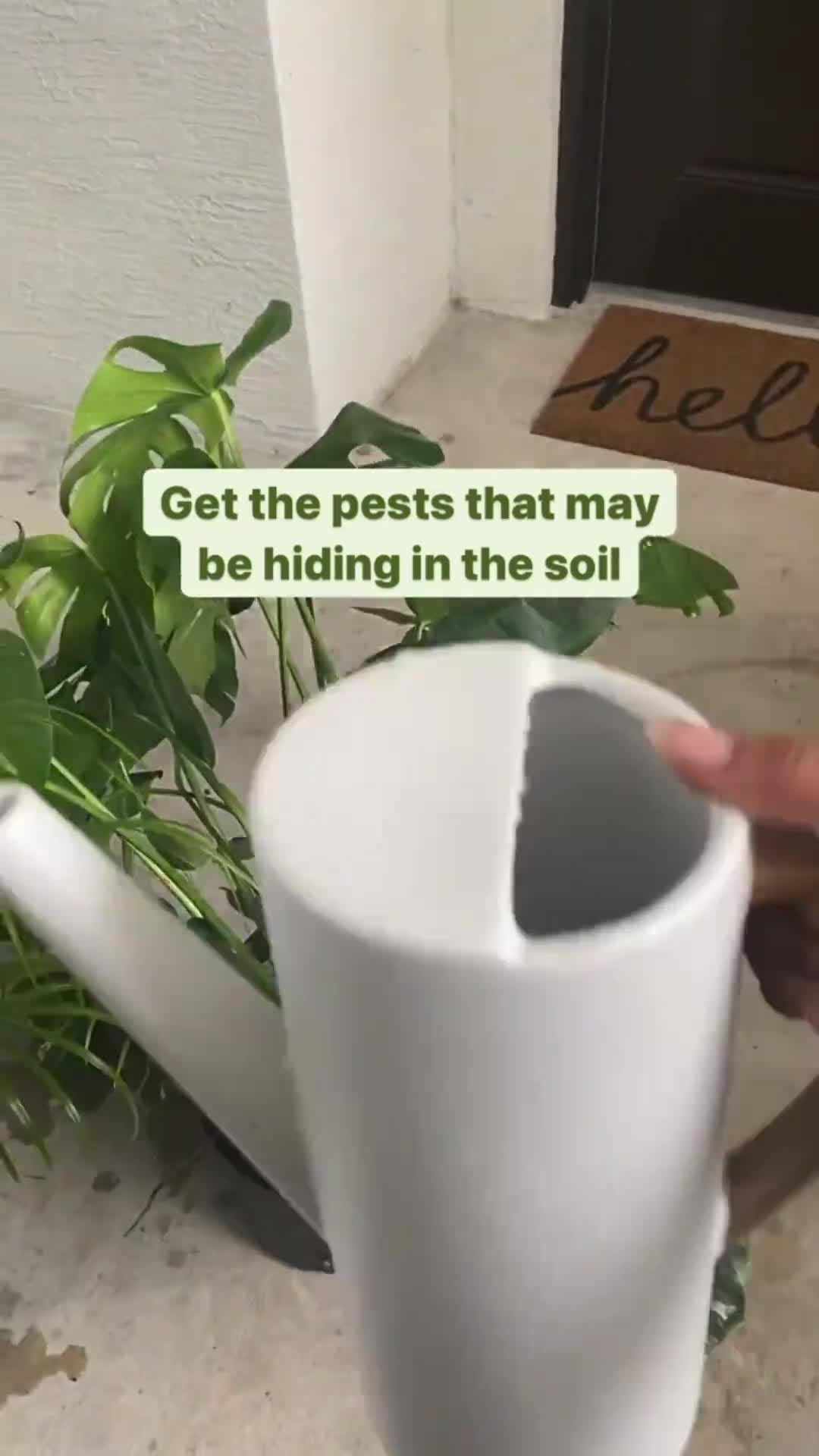
Found bugs on your houseplant? First of all: breathe. 😂🌿 Plant pests happen to even the most experienced plant parents. Learn how to identify common houseplant pests, what to do when you find them, what to use for small vs. large infestations, and why one spray usually isn't going to solve the problem. No shame, no plant-parent Olympics , just a practical guide to figuring out what’s bugging your plant. 🌿💚
-
• 9/27/26
So You Want to Sell Plants? Here’s What I Wish I Knew First
I never planned on becoming a plant seller. As a flight attendant and former bridal consultant, I learned that what truly fulfills me is helping people experience joy. 🌿 Plants gave me that same feeling of peace I once saw in my grandmother’s garden. Now, I call myself a “vibe facilitator.” But turning that passion into a business taught me that loving plants and knowing how to sell them are two very different things.
-
• 9/27/26
Things I Do Before Bringing a New Plant Into My House 🌿
You finally bring home the plant you've been wanting, find it the perfect spot, and then remember one tiny problem… what if it brought pests home with it? 🌿 Before I let a new plant anywhere near my collection, I have a little routine I follow, from treating what I can't see to cleaning every leaf (yes, even the backs!) and giving the new plant some quarantine time. Here's exactly what I do to give my new plants a fresh start while protecting the ones I already love.
-
 • 9/27/26
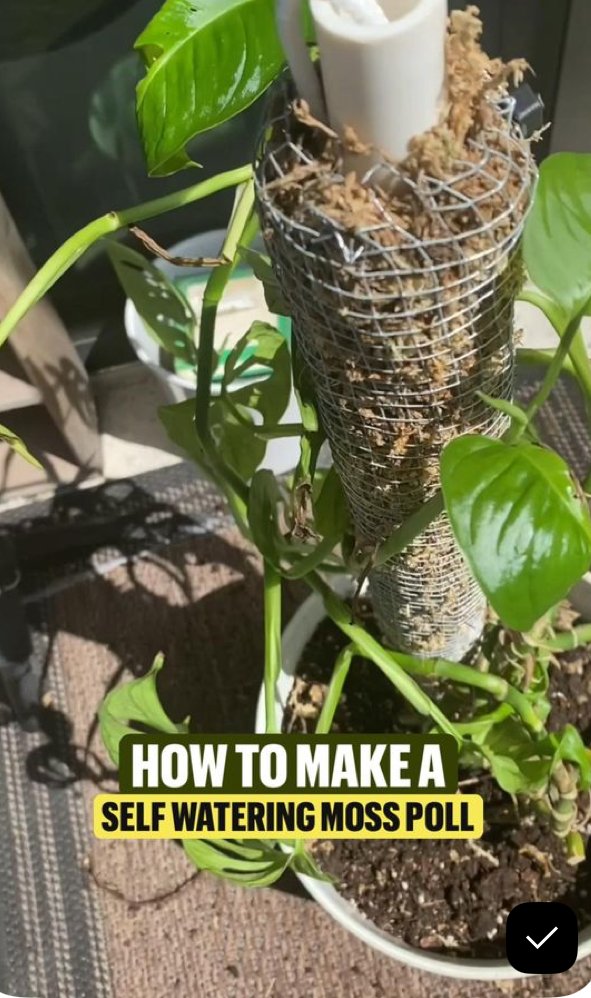
DIY Self-Watering Moss Pole: The Houseplant Project I Didn't Know I Needed
What if your moss pole could help water itself? 🌿 I decided to turn a few simple supplies, PVC pipe, moss, rope, wire mesh, and zip ties, into a DIY self-watering moss pole for my climbing plants. But after hearing from other plant parents about what worked (and what didn’t), I started wondering if there might be an even better way to wick moisture to the moss. Come see how I made mine, what I learned, and the simple change I’d try next time.
-
This Is Your Reminder to Prune Your Leaves Before They Die
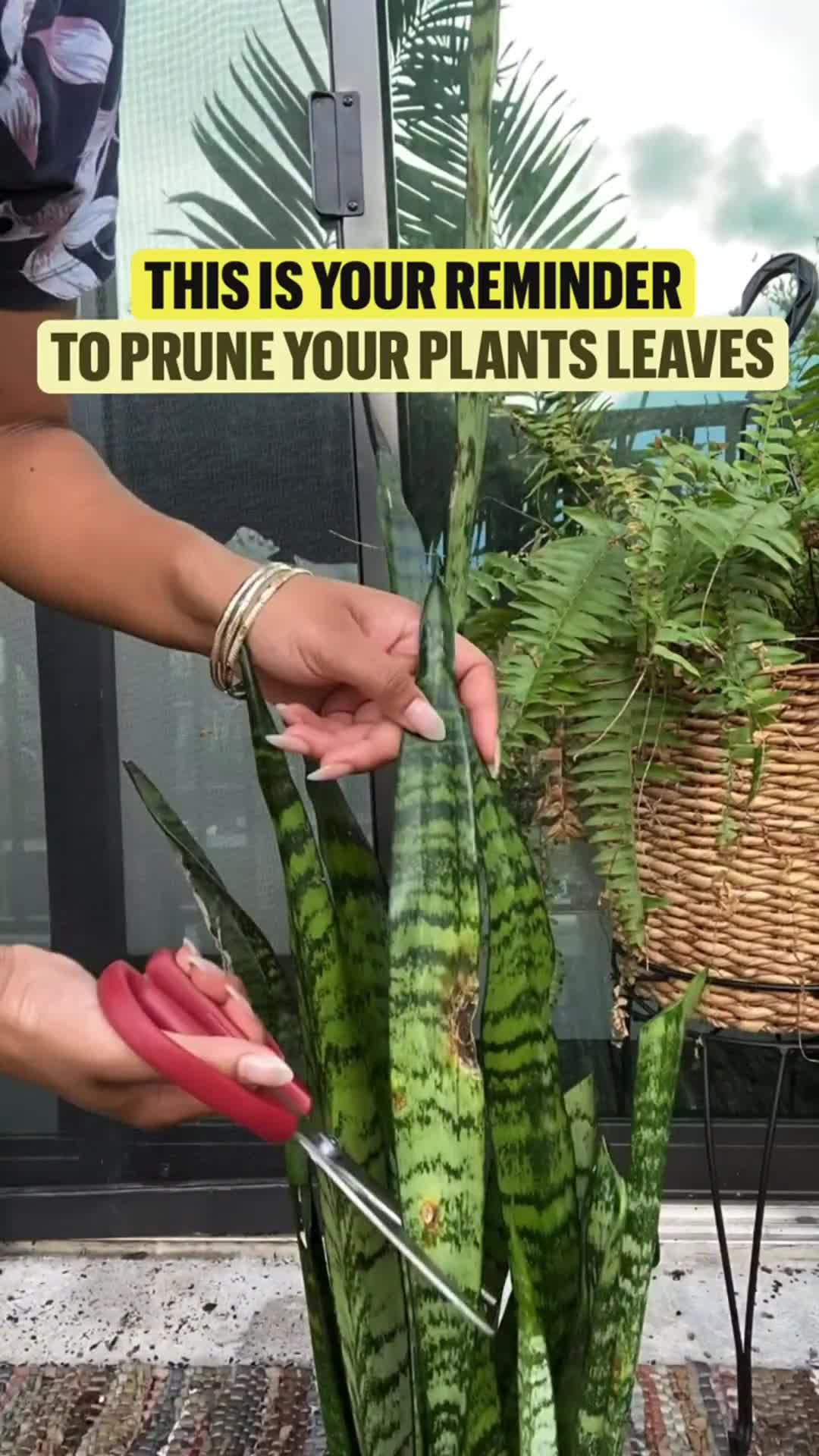
My snake plant had root rot, and I had no idea how much time I had to save it. So instead of waiting until the leaves were completely gone, I pruned the healthy ones and propagated them in water, just in case. 🌱 What started as a last-minute backup plan became a reminder that sometimes the best way to care for your plants is simply to notice sooner. If your plant is struggling, here's what my snake plant taught me about root rot, propagation, and becoming a more mindful plant parent.
-
• 8/26/26
How to Choose a Houseplant That Actually Fits Your Lifestyle?
Have you ever bought a plant because you absolutely loved it, brought it home, and then realized…
“Oh. You need THAT much attention?” 😂
It's easy to choose plants because they're beautiful. But before you bring home your next plant, there's something more important to consider:
Does this plant actually fit my life?
The right plant for someone who loves checking their collection every morning might be completely wrong for someone who travels frequently or has a busy schedule.
And if you struggle with remembering plant care, buying a plant that needs constant attention can quickly turn something you love into another source of stress.
So before you buy your next plant, let's figure out what your lifestyle actually needs from a plant.
🌱 Start With Your Schedule
Be honest about how much time you have.
Ask yourself:
How often am I home?
Do I travel often?
Do I enjoy spending time caring for my plants?
Do I want plant care to be a hobby or something quick and simple?
How many plants can I realistically manage?
Don't choose a plant based on the amount of time you wish you had.
Choose based on the time you actually have.
If your schedule is already packed, a collection of plants that need constant attention probably isn't going to make your life easier.
☀️ Look at Your Environment
Before choosing a plant, look at where it's actually going to live.
Consider:
☀️ Light
How much natural light does the space receive?💧 Humidity
Is the room naturally humid, or is it dry?🌡️ Temperature
Does the temperature stay relatively consistent?🏠 Space
Do you have room for a large plant to grow, or are you working with a small shelf or windowsill?A plant can be beautiful and still be completely wrong for the environment you have available.
Instead of asking:
“Where can I put this plant?”
Try asking:
“What plants would actually be happy in the spaces I already have?”
💧 Think About How You Like to Care for Plants
This is one of the questions people don't ask enough.
Do you actually enjoy plant care?
Maybe you love:
🌱 Checking new leaves
💧 Watering
✂️ Propagating
🪴 Repotting
🍃 Cleaning leaves
🐛 Checking for pestsIf you enjoy these things, you may be perfectly happy with plants that require more hands-on attention.
But if you mostly want greenery in your home without another responsibility, you may want plants that are more forgiving.
Your plant-care personality matters just as much as your environment.
🧠 Consider How You Remember Things
This one is especially important if you tend to forget plant care.
If you regularly think:
“Wait… when did I water this?”
don't automatically assume you need more discipline.
You may need a better system.
Try:
Plant labels
Visual reminders
A weekly plant check
A simple plant tracker
Keeping your plant-care supplies together
And instead of trying to remember exactly when every plant needs water, make one day your plant-check day.
Walk around.
Check the soil.
Look at the leaves.
Then decide what actually needs attention.
Your plants don't all need to be watered just because it's Sunday.
🌿 Think About How Many Plants You Can Manage
It's easy to start with one plant.
Then another.
And another.
Suddenly you're researching humidity levels at midnight and wondering why your windowsills are completely full. 😂
As your collection grows, your plant-care system needs to grow with it.
If you have several plants, start keeping track of:
Watering
Fertilizing
Repotting
New growth
Pests
Light changes
Important notes
You don't have to track every little thing.
Just track the information you'll actually use.
✈️ Don't Forget About Your Real Life
Your plants have to fit around your life, not the other way around.
If you travel often, think about how long your plants can realistically go without you.
If you work long hours, think about whether you'll actually want to come home and spend an hour caring for plants.
If you're forgetful, consider plants that are more forgiving and create reminders for the plants that need more attention.
If you love plant care and see it as a relaxing hobby, you may actually enjoy having plants that give you more to do.
There's no universally "best" plant.
There's only the plant that makes sense for you.
🌱 Before You Buy Your Next Plant, Ask Yourself These 7 Questions
Save these questions for your next nursery trip:
1. How much light do I actually have?
2. How often am I home?
3. How much time do I realistically want to spend caring for plants?
4. Do I enjoy hands-on plant care or do I prefer something simple?
5. Am I good at remembering routines?
6. How much space do I have for this plant to grow?
7. What do I want plants to add to my life?
That last question might be the most important.
Maybe you want something beautiful. Maybe you want a hobby. Maybe you want a challenge. Maybe you want your home to feel calmer. Maybe you love collecting rare plants. Maybe you just want something green sitting on your desk.
Your answer can help you choose better plants.
🌿 Your Plants Should Fit Your Life
You don't have to become a completely different person to be a good plant parent.
You don't need the perfect routine.
You don't need to own the rarest plants.
And you definitely don't need to compare your plant collection to someone else's.
Start with your actual:
Lifestyle.
Environment.
Time.
Energy.
Interests.
Then choose plants that work with those things.
Because the goal isn't to have plants that look good in someone else's life.
The goal is to build a plant collection that feels good in yours.
🌱 But What Kind of Plant Parent Are You?
You might already have an idea. Maybe you're someone who loves collecting. Maybe you need plants that can handle your busy schedule. Maybe you want plant care to become part of your self-care. Or maybe you have no idea yet.
That's exactly why I made the “What Kind of Plant Parent Are You?” quiz.
Instead of simply telling you which plant is trendy right now, the quiz looks at your lifestyle, habits, environment, and how you like to care for plants.
You'll discover:
🌱 Your plant-parent personality
🪴 What types of plants may fit you
☀️ What to consider about your environment
💚 Your plant-care strengths
🌿 What you may struggle with
✨ A Just in Khas recommendation made for your resultTake the quiz and find out what kind of plant parent you really are.
Find the plant that fits my lifestyle.← click here to start
-
• 8/26/26
Why Your Plant Care System Should Include All Four of These Things
A plant tracker can tell you when you watered your Monstera. A journal can help you reflect. An ADHD-friendly system can help you remember. And a self-trust toolkit can help you recognize your progress. But what happens when you put all of those pieces together?
You get a completely different approach to plant care.
Step 1: Structure
You need somewhere to organize the practical information.
That's where the Mindful Plant Parent Dashboard comes in.
You can track your plants, watering, growth, care, and observations.
Structure gives you somewhere to start.
Step 2: Reflection
But data isn't everything.
Sometimes you need to slow down and ask:
How am I feeling? What have I noticed? What changed? What am I learning?
That's where the Mindful Plant Parent Journal comes in.
Reflection helps you understand the experience.
Step 3: Accessibility
Then comes real life. Maybe you forgot. Maybe your routine changed. Maybe your brain needs visual reminders.
That's where the ADHD-Friendly Plant Care System comes in.
Accessibility makes the system easier to actually use.
Step 4: Compassion
And then there are seasons when you're simply not operating at 100%. That's where the Emotional Seasons of Growth Guide comes in.
It reminds you:
Rest isn't failure. Slow growth isn't failure. Starting over isn't failure.
Compassion gives you room to be human.
Step 5: Transformation
Finally, you start noticing something. You know more. You recognize patterns. You're less afraid of making mistakes. You're becoming more confident.
That's where the Plant Care as Self-Trust Toolkit comes in.
Self-trust turns small actions into personal growth.
These products aren't random.
They're a ladder:
Dashboard → Structure
Journal → Reflection
ADHD System → Accessibility
Emotional Seasons → Compassion
Self-Trust Toolkit → Transformation
And you don't have to buy all five. Start with the part you need most right now. Because plant care isn't supposed to become another place where you feel like you're failing.
It can become a place where you practice paying attention, slowing down, learning, and trusting yourself.
One plant at a time.
If you have tried plant trackers, routines, journals, and care guides, but none of them stick.
I made this for you let me teach you :
The Complete Plant Care System: How to Create a Routine You'll Actually Use
Give them an actual system:
Step 1 — ORGANIZE
Create your master plant list.
Step 2 — OBSERVE
Check your plants before automatically watering.
Step 3 — RESPOND
Take care of what's actually asking for attention.
Step 4 — REFLECT
Write down what worked and what didn't.
Step 5 — ADAPT
Change your system when your life changes.
Step 6 — FORGIVE
Missed a week?
Start again.
Step 7 — TRUST
Use your past experiences as evidence that you're learning.
The Just in Khas Plant Parent Ladder
🌱 Dashboard
Structure↓
📓 Journal
Reflection↓
🧠 ADHD System
Accessibility↓
🍂 Emotional Seasons Guide
Compassion↓
🪴 Self-Trust Toolkit
Transformation -
• 8/25/26
How to Organize Your Houseplants Without Making Plant Care Another Chore
Your plant collection shouldn't feel like another chore. Learn how to organize your plants, track what they actually need, create simple visual reminders, and build a 10-minute weekly check-in that makes plant care easier and less stressful.
-
• 8/25/26
How Taking Care of Plants Can Help You Practice Self-Trust
What if caring for your plants could help you trust yourself more? Learn how small moments of noticing, responding, learning, and adapting can become everyday opportunities to build confidence and self-trust.
-
• 8/25/26
The Emotional Seasons of Growth: What Plants Can Teach Us About Rest
Plants don't grow nonstop, and neither do we. Explore what plant cycles can teach us about rest, burnout, letting go, and starting over, with a simple reflection exercise to help you understand the season you're currently in.
-
• 8/25/26
Plant Care for ADHD Brains: You Don't Need a Perfect Routine
Forgetful, overwhelmed, or constantly losing track of your plant-care routine? Discover an ADHD-friendly approach using visual cues, flexible routines, and simple systems that work with your brain instead of against it.
-
• 8/25/26
The Mindful Plant Parent: How to Care for Your Plants Without Feeling Overwhelmed
Feeling overwhelmed by your growing plant collection? Learn how to create a simple, low-pressure plant-care system that helps you stay organized, notice your plants’ needs, and care for your plants without feeling guilty or overwhelmed.
-
 • 10/18/21
Don’t Buy a Plant Without Watching This 🌿 Best Beginner Plants
Just a short video of me going plant shopping for a client in real time and what to look for when you are shopping for yourself if you are new at this plant parent thing!